Hormonal acne is not a teenage problem lingering past its expiration date. It is a distinct clinical pattern with predictable triggers, a stubborn course, and treatments that work best when you match them to the driver: androgens, insulin, inflammation, or abrupt shifts in estrogen and progesterone. I see it from both sides of the exam room, as a clinician and as someone who has navigated cyclical breakout seasons, and I can tell you this matters for more than vanity. Painful nodules erode confidence, interfere with exercise and intimacy, and often signal deeper issues like insulin resistance or a perimenopause transition.
This guide translates what dermatology, endocrinology, and lived experience agree on. You will find targeted skincare, medical therapies that truly move the needle, lifestyle levers that change the terrain, and realistic expectations for timelines and trade-offs. I will also weave in situations where hormonal acne intersects with PMDD, perimenopause symptoms, subclinical hypothyroidism, and metabolic health. The point is not to try everything at once, but to build a plan that fits your biology and your life.
What “hormonal acne” really means
The term describes acne flares linked to hormone fluctuations and sensitivity at the oil gland. It often clusters along the lower face, jawline, neck, and sometimes chest or back. Lesions tend to be deeper and more tender, with cysts and nodules that linger for weeks. Flares often worsen the week before menstruation, during high-stress periods, or as cycles become irregular in pre menopause and perimenopause.
The core engine involves androgens such as testosterone and dihydrotestosterone binding to receptors in the sebaceous gland, increasing sebum and altering its composition. That, combined with sticky keratin and changes in the follicular microbiome, sets the stage for inflammation. Estrogen acts as a counterweight in many people by improving barrier function and reducing sebum, which explains why symptoms often calm during pregnancy for some, then rebound postpartum. During perimenopause, erratic estrogen and progesterone, with relatively unopposed androgens, often recalibrate the skin toward oiliness and micro-inflammation even in those who never had acne in youth.
A few clinical clues point to systemic contributors. Irregular cycles or hirsutism raise the index of suspicion for PCOS. Weight gain concentrated centrally, skin tags, and darkening in body folds can hint at insulin resistance. New breakouts paired with fatigue, constipation, hair shedding, or cold intolerance may accompany subclinical hypothyroidism. If mood and physical symptoms swing sharply in the luteal phase with marked irritability or sadness, consider PMDD symptoms alongside the skin changes. These do not prove a diagnosis on their own, but they suggest where testing and counseling could be useful.
What to expect from a well-constructed plan
A realistic plan treats both the lesion you see and the system that created it. Topical therapy tackles clogged pores, sebum quality, and surface microbes. Oral agents modulate hormones and inflammation from the inside. Lifestyle and metabolic work close the loop, especially when insulin resistance or stress is pushing the gas pedal. Timeframes matter. Cystic lesions formed weeks before they reached the surface, so even the right regimen takes 6 to 12 weeks to show a durable trend, and 3 to 6 months for maximal effect. The earlier you stabilize the cycle, the sooner scars and hyperpigmentation stop accumulating.
I often start with a simple, tolerable topical core so the skin barrier stays intact. I add a systemic therapy if nodules are painful, scarring is present, or flares follow a predictable hormonal pattern. Parallel to that, we clean up sleep, stress, and diet just enough to favor insulin sensitivity and calm the HPA axis. This is not a moral quest for perfection; it is a practical plan to create an environment where medical treatments can work.
The topical backbone: what actually helps
Cleansers and moisturizers sound trivial until someone strips their barrier and ignites a flare. Use a gentle, low-foaming cleanser, lukewarm water, and avoid washcloth abrasion. If you wear makeup or sunscreen, remove with a non-fragrant micellar water or balm, then cleanse. A lightweight, non-comedogenic moisturizer reduces irritation from actives and paradoxically lowers oil rebound.
Retinoids sit at the center of topical treatment. Adapalene, tretinoin, or tazarotene normalize keratinization, reduce microcomedones, and modulate inflammation. Start two or three nights per week and climb slowly. A pea-sized amount for the entire face is enough. If you are actively breaking out with cysts, a retinoid is almost always worth the patience it requires. Expect dryness and mild peeling during the first month. Buffer with moisturizer and try a short-contact method for sensitive skin: apply, wait 15 minutes, then moisturize again.
Benzoyl peroxide reduces C. acnes and helps prevent resistance when paired with topical antibiotics. I prefer low concentrations because they are equally effective with fewer side effects. Twice-weekly use can be adequate as an adjunct. If fabric bleaching is a concern, a morning application with thorough handwashing helps.
Azelaic acid at 15 to 20 percent provides a quiet workhorse effect. It lowers inflammatory mediators, supports tone in post-inflammatory hyperpigmentation, and is pregnancy safe. Patients who cannot tolerate benzoyl peroxide often do well with azelaic acid. Niacinamide in the 4 to 5 percent range can further improve barrier function and sebum quality, especially in the T-zone.
Keep actives simple. Pair a retinoid at night with either benzoyl peroxide or azelaic acid. Add niacinamide as a support. More is not better, particularly in perimenopause when barrier recovery slows. If you have sensitive, rosacea-prone skin, start with azelaic acid and niacinamide, then layer in a retinoid later.
Oral therapies that change the trajectory
Spironolactone is the most useful oral therapy for many women with hormonal cystic acne. It blocks the androgen receptor and reduces sebum production. Doses typically range from 50 to 150 mg per day. I often start at 25 to 50 mg to gauge tolerance and titrate every 2 https://holdenmqio136.lucialpiazzale.com/how-to-treat-hormonal-acne-naturally-what-s-evidence-based-and-what-s-hype to 4 weeks. Side effects can include lightheadedness, menstrual irregularity, breast tenderness, and increased urination. Potassium monitoring is reasonable in those with kidney disease or who take ACE inhibitors, but otherwise, clinically significant hyperkalemia is rare. Spironolactone is not used during pregnancy, so pair it with reliable contraception. Improvement usually appears by week 8 to 12, with continued gains over 4 to 6 months.

Combined oral contraceptives can help by suppressing ovarian androgen production and increasing sex hormone binding globulin. Not all pills behave the same. Those with ethinyl estradiol plus antiandrogenic or low-androgenic progestins tend to perform better for acne. Consider a pill if you also want cycle control or PMDD treatment that includes oral contraceptives, though PMDD outcomes vary by formulation. Screen for migraine with aura, smoking status, and clot risk. In perimenopause, we sometimes use low-dose pills as a bridge when contraception and acne control are both goals, then revisit as menopause approaches and cardiovascular health risk evolves.
Oral antibiotics serve as short-term inflammation dampeners during severe flares or while waiting for other agents to take effect. Minocycline or doxycycline for 6 to 12 weeks is common. Always pair with topical benzoyl peroxide or azelaic acid to reduce resistance. Minimize repeat courses. If you need them repeatedly, it is time to reconsider the plan, not to cycle antibiotics indefinitely.
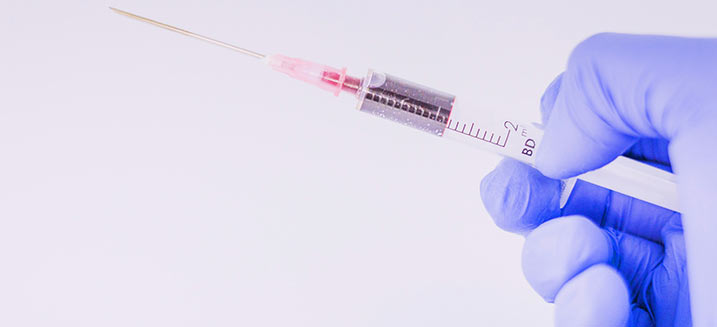
Isotretinoin remains the definitive option for scarring nodulocystic acne or when other approaches have failed. It shrinks sebaceous glands, normalizes keratinization, and can produce long remissions. Expect mucocutaneous dryness, possible joint stiffness, and temporary cholesterol and triglyceride elevations. Most people complete treatment in 5 to 7 months at a cumulative target dose based on body weight. It is highly teratogenic, so strict contraception and enrollment in safety programs are mandatory. For someone with relentless cysts, disfiguring scars, or repeated relapses off spironolactone, isotretinoin can be life changing.
Metformin is not a standard acne drug, but it enters the conversation when insulin resistance is part of the pattern. Improving insulin sensitivity can reduce androgen production at the ovarian level and quiet the sebum response. If you have PCOS, acanthosis, elevated fasting insulin, or a strong family history of diabetes, a discussion with your clinician about insulin resistance treatment, diet, and possibly metformin makes sense. You do not take metformin to spot-treat a pimple; you use it to stop the hormonal cascade that keeps lighting the match.
Where perimenopause and menopause fit
Shifting hormones during perimenopause can trigger new or recurrent acne even as wrinkles deepen. The paradox frustrates people, but it reflects the skin’s dual dependence on estrogen for barrier integrity and the ongoing action of androgens on oil production. Perimenopause symptoms like sleep disruption and mood lability can worsen stress reactivity, which raises cortisol and nudges insulin, and the skin notices.
For some, low-dose combined oral contraceptives can stabilize cycles and acne in the late reproductive years, particularly if contraception is desired. As you approach menopause, estrogen-containing options deserve a closer cardiovascular health review, especially if high cholesterol treatment is on the table or you have a history of migraine with aura or clotting. After menopause, if breakouts persist, spironolactone often remains useful. BHRT is sometimes discussed in functional medicine circles, and while bioidentical hormone replacement can help vasomotor symptoms and genitourinary syndrome, it is not a primary acne treatment. In certain cases, carefully balanced estradiol with progesterone may improve skin hydration and reduce overall inflammation, but acne responses are individualized. If a patient starts BHRT and acne worsens, reviewing the progestogen choice and dose is warranted. Focus on the lowest effective dose for menopause symptoms while letting dermatologic therapy handle the acne directly.
PMDD, stress physiology, and skin
PMDD symptoms peak in the late luteal phase. Many of those same patients report predictable acne flares in that window. The shared thread is sensitivity to normal hormonal shifts, amplified by neurosteroid effects on mood and the stress axis. When treating PMDD and acne together, selective serotonin reuptake inhibitors used intermittently or continuously can reduce PMDD burden, and combined oral contraceptives with specific formulations can help some individuals. For acne itself, spironolactone or a retinoid-based topical plan remains the foundation. Patients with severe PMDD often do best when their cycle is simplified and sleep is protected, since even one week of short sleep can worsen inflammation and insulin dynamics. If someone is pursuing a PMDD diagnosis, a two-cycle symptom diary helps, and if contraception is not desired, luteal-phase SSRIs and dermatology care can be paired without hormonal contraception.
The metabolic link you cannot ignore
Insulin and IGF-1 influence sebaceous activity and keratinocyte growth. Diets with frequent spikes in blood sugar appear to push the system toward more sebum and more inflammatory signaling. This does not make acne a willpower problem. It reframes it as a metabolic skin condition, especially in those with a family history of diabetes, PCOS features, or high fasting triglycerides. The goal is not a rigid plan, but consistent habits that improve metabolic health.
I ask patients to consider steady protein at each meal, fiber from vegetables, legumes, and intact grains, and fats from olive oil, nuts, and fish. Carbohydrates are not the enemy, but quick-digesting ones eaten alone often act like kindling. Pair fruit with yogurt or nuts. If you want rice, add beans or an egg. Many people do well with an eating window that avoids late-night snacking, which improves morning glucose and sometimes sleep. Two to three days per week of resistance training supports insulin sensitivity more than most realize. Ten to fifteen thousand steps per day is a practical ceiling for many, but even a 10-minute walk after meals lowers postprandial glucose and may chip away at breakouts triggered by insulin surges.
Some ask about dairy. The data are mixed, but skim milk appears more associated with acne than whole milk or fermented dairy. If dairy seems to worsen your skin, a four-week trial without skim milk and whey-based protein powders can be informative. Reintroduce slowly and observe. With IBS symptoms or a sensitive gut, fermented dairy like yogurt may be better tolerated and may reduce GI distress that otherwise elevates systemic inflammation.
Skincare rhythm that respects the barrier
Morning: cleanse if needed, apply a hydrating serum or niacinamide, then sunscreen. Whether you break out or not, broad-spectrum SPF 30 or higher prevents PIH from deepening and speeds recovery of marks. Mineral formulas with zinc oxide often feel lighter and can calm redness.
Evening: gentle cleanse, then your active. If you use benzoyl peroxide, do it on nights without retinoid, or use a benzoyl peroxide wash in the shower for the chest and back. Moisturize last. If you are starting tretinoin, try a sandwich approach for the first month: moisturize, wait 10 minutes, apply retinoid, then a thin layer of moisturizer again.
Be slow to add new products. Many people with perimenopause symptoms also notice their skin gets reactive. Two actives are plenty. Fragrance-free, alcohol-free, and non-comedogenic are good signposts. Avoid aggressive scrubs. If you like a chemical exfoliant, favor low-strength salicylic acid once or twice weekly, and not on the same night as retinoids.
Procedures that pull weight when used judiciously
Intralesional steroid injections flatten a painful cyst within 24 to 72 hours. I use them sparingly for special events or high-risk scarring spots. Light and laser treatments can reduce redness and help with post-acne marks, but they do not replace medical therapy for active cystic disease. Microneedling, chemical peels, and fractional lasers address scarring once inflammation is controlled. Sequence matters. Calm the fire before you remodel the house.
When to check labs and what to look for
If acne is severe, if you have irregular or absent periods, if there is rapid-onset hirsutism, or if you suspect PCOS, consider a workup. Reasonable panels include total and free testosterone, DHEA-S, LH, FSH, fasting glucose, fasting insulin or HOMA-IR, lipid profile, and TSH with reflex free T4 to screen for subclinical hypothyroidism. You do not need exhaustive testing for straightforward cases, but targeted labs can sharpen the plan. If you have persistent high triglycerides or LDL, address high cholesterol treatment both for long-term cardiovascular health and because isotretinoin can transiently raise lipids. Those planning isotretinoin need baseline liver enzymes and triglycerides anyway.
Special scenarios and practical adjustments
Athletes and heavy sweaters often struggle with truncal acne. Use a benzoyl peroxide wash in the shower, let it sit for 60 to 90 seconds before rinsing, then moisturize lightly. Wash sweaty clothing quickly. If you train in helmets or chin straps, pad contact points and clean regularly to prevent friction acne.
Those with darker skin tones face higher risk of hyperpigmentation from even small pimples. Azelaic acid becomes more valuable, as does strict sunscreen. Topicals like hydroquinone can be used short term for PIH, but I prefer azelaic acid and retinoids first for a safer long game.
If your acne worsens noticeably in the luteal phase, consider a strategic bump in topical intensity during that window. That might mean three nights per week of benzoyl peroxide instead of two, or making sure your retinoid use does not slip. A short course of an anti-inflammatory like doxycycline can bridge a particularly bad month while spironolactone is titrated.
Those with IBS symptoms may find that high-FODMAP foods and frequent antibiotics aggravate the gut, which can, in turn, aggravate the skin. If you need oral antibiotics, prefer the shortest effective course and support the gut with diverse fibers tolerated by your GI tract. If you are working with a dietitian on IBS, coordinate changes gradually to avoid unnecessary dietary restriction.
A simple starting plan that suits most adult hormonal patterns
- Evening: gentle cleanse, pea-size retinoid two to three nights weekly, azelaic acid on alternate nights, moisturizer every night. Morning: cleanse if desired, niacinamide serum, non-comedogenic moisturizer, broad-spectrum SPF 30 or higher. Systemic: discuss spironolactone starting at 25 to 50 mg daily if nodules or jawline flares persist beyond eight weeks on topicals. Lifestyle: anchor protein at breakfast, walk after meals, strength train twice weekly, aim for 7 to 8 hours of sleep. Follow-up: reassess at 8 to 12 weeks. If inadequate, consider dose escalation, add combined oral contraceptive if appropriate, or short-course oral antibiotics while waiting for control.
Functional medicine ideas: which ones help and which to skip
The functional medicine lens often emphasizes root causes, which aligns well with insulin resistance treatment, sleep hygiene, and stress regulation. Magnesium glycinate at night, omega-3s for systemic inflammation, and a focus on whole foods and glycemic control can be valuable. Zinc can help some patients with low dietary intake, though high doses cause GI upset and copper deficiency if overused. On the other hand, broad elimination diets without a clear rationale, extensive supplement stacks, and frequent “detoxes” distract from proven steps. If you explore BHRT for menopause symptoms, involve clinicians who will monitor hormones, lipids, and blood pressure, and use dermatologic therapy in parallel for acne rather than expecting hormones alone to correct it.
Scar prevention and pigment care
Stopping new inflammation is the first scar treatment. Do not extract deep lesions at home; that is a near guarantee of lasting marks. If you pick, consider hydrocolloid patches as a behavioral speed bump and moisture shield. For post-inflammatory erythema, time and sun protection do most of the work. For brown marks, azelaic acid and tretinoin gently accelerate turnover while tackling active acne. Once the skin is quiet for a few months, in-office options like microneedling or fractional lasers can soften atrophic scars. Plan procedures away from peak sun and ensure diligent sunscreen afterward to avoid rebound pigmentation.
Safety, pregnancy, and the long view
If you could become pregnant, certain medications are off the table or require contraception. Spironolactone and isotretinoin are contraindicated. Retinoids are avoided during pregnancy and breastfeeding. Azelaic acid is safe. Benzoyl peroxide and clindamycin are generally considered low risk topically. Oral antibiotics require nuance by trimester. If you are planning pregnancy within six months, lean on topicals and in-office procedures, and consider azelaic acid as your daily anchor.
Think across seasons. Skin often dries in winter and tolerates retinoids less. Summer sweat shifts the T-zone and may require a lighter moisturizer. Perimenopause is a moving target; what worked last year might need recalibration as symptoms of premenopause evolve into symptoms of menopause. Keep notes, not just on products but on sleep, cycle shifts, and stressors. Patterns reveal themselves.
When to escalate care
If you develop recurrent cysts that threaten to scar, if your acne undermines your willingness to be seen, or if months of consistent effort bring minimal change, escalate. That could mean higher-dose spironolactone, adding a contraceptive pill with a favorable acne profile, or discussing isotretinoin. It could also mean a workup for PCOS, a PMDD test through symptom tracking for PMDD diagnosis, or a deeper dive into thyroid function if fatigue and other signs point that direction. The goal is not to be tough it out; it is to pick the right tool.
What progress looks like
Expect fewer new nodules by week 8 to 12. Old cysts heal slowly, but the absence of new ones is your early win. By month three, texture smooths and redness fades between flares. By month six, scarring risk drops dramatically because the cycle has quieted. If nothing budges by week 12 with good adherence, the regimen is wrong for your biology and needs revision.
Hormonal acne is persistent but not impervious. The path to clear skin runs through a steady topical base, a targeted systemic therapy when indicated, and metabolic and sleep habits that nudge hormones toward equilibrium. Whether you are navigating perimenopause treatment decisions, sorting PMDD treatment alongside skin care, or addressing insulin resistance with your primary doctor, you can align these efforts without overcomplicating your routine. Treat the acne you see, support the system that feeds it, and give yourself enough time on each step to see what truly works.